
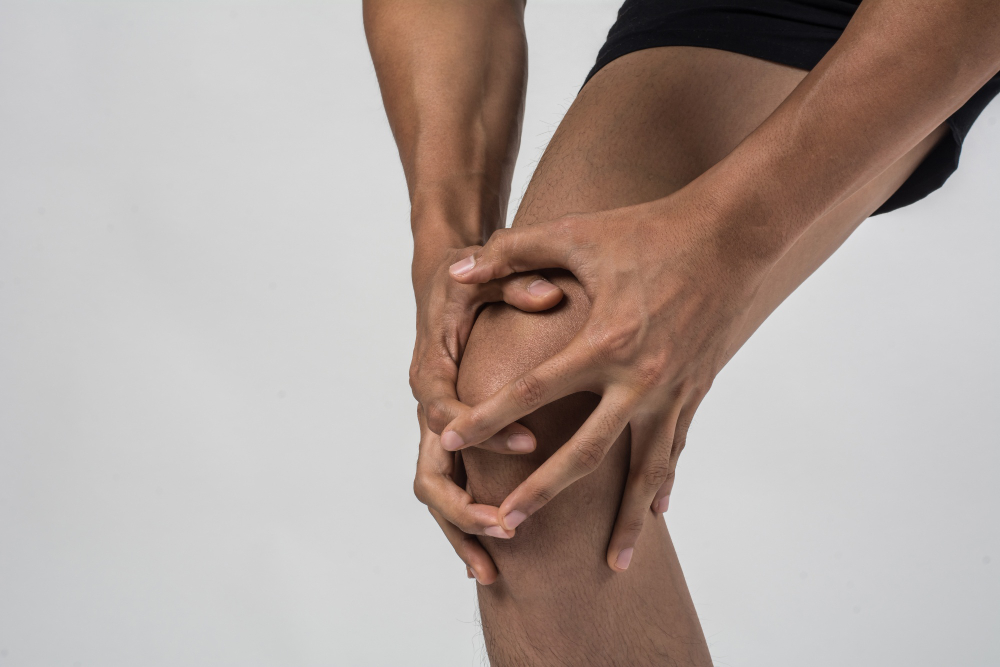
What is Osteoarthritis?
Osteoarthritis is a common joint disease. It happens when the cartilage in your joints breaks down. As a result, bones may rub together, causing pain and stiffness. Many people develop osteoarthritis as they age. However, it can also affect younger adults, especially after joint injuries. Managing pain in osteoarthritis is important for daily comfort and mobility.
Common Symptoms of Osteoarthritis Pain
Osteoarthritis pain can show up in different ways. For example, you may notice:
Sometimes, symptoms get worse with activity. But rest may help ease the pain for a short time.
Causes and Risk Factors
Several factors can lead to osteoarthritis. For instance, aging is a major cause. Over time, joints wear down. Other risk factors include:
Because some risks can be changed, healthy habits may help lower your chances.
Diagnosing Osteoarthritis
Doctors use several steps to diagnose osteoarthritis. First, they ask about your symptoms and medical history. Next, they examine your joints for swelling or tenderness. Sometimes, they order X-rays or MRI scans. These tests show changes in the joint. Blood tests may rule out other causes of joint pain. Early diagnosis helps with better joint pain management.
Medical Treatments for Pain Relief
There are many osteoarthritis treatment options. Your doctor may suggest:
Because each person is different, your treatment plan may vary. Always follow your doctor’s advice for safe osteoarthritis pain relief.
Home Remedies and Lifestyle Changes
In addition to medical care, home remedies can help. For example, you can:
Because small changes add up, these tips can make daily life easier.
Exercise and Physical Therapy Tips
Staying active is key for managing pain in osteoarthritis. However, choose low-impact activities. Good options include:
Physical therapists can teach you safe exercises. They also help improve strength and flexibility. Even short daily sessions can make a big difference.
Prevention and Long-Term Management
While you cannot always prevent osteoarthritis, you can lower your risk. For instance, keep a healthy weight and stay active. Protect your joints during sports or work. Eat a balanced diet rich in fruits and vegetables. Because long-term care matters, regular check-ups help track your joint health.
When to See a Rheumatologist
If joint pain lasts more than a few weeks, see a doctor. Especially if pain limits your daily activities, a rheumatologist can help. They specialize in joint diseases like osteoarthritis. Early treatment leads to better outcomes. Do not wait if you notice swelling, redness, or sudden pain.
For personalized osteoarthritis pain management, consult a rheumatologist. They can guide you to the best treatment plan for your needs.